
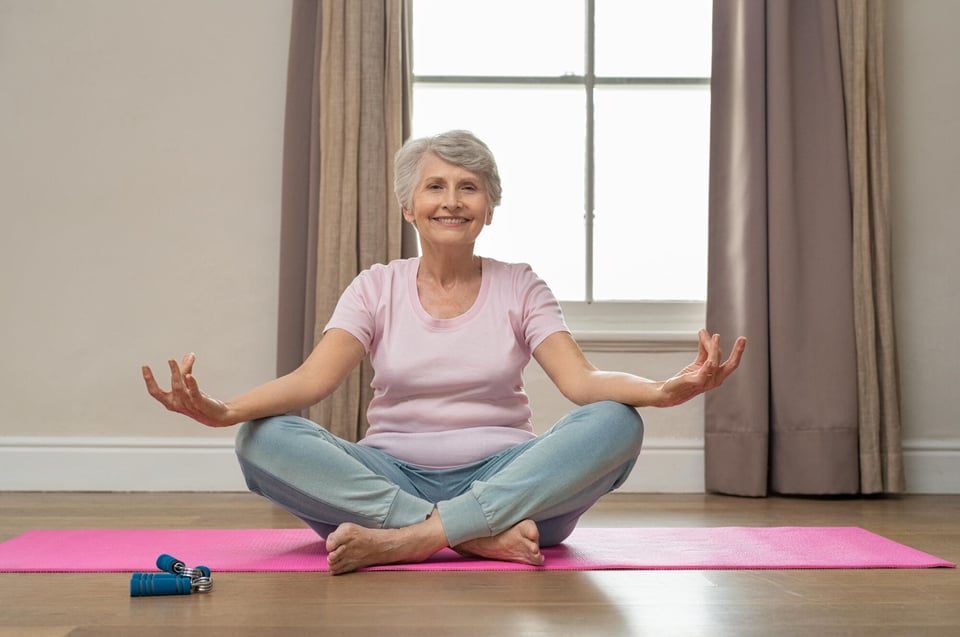
Why does yoga feel so transformative for many seniors, especially when mobility begins to change? The answer lies in how steady, intentional movement strengthens the body while calming the mind. Yoga for older adults supports flexibility, reduces joint tension, and improves stability without overwhelming tired muscles. These slow, guided routines also promote clearer focus and steady breathing, which contribute to daily comfort.
Picture a quiet morning in Lakeland, FL, where sunlight filters through palm trees and community centers open their doors to wellness classes. Yoga has become a favorite, offering space to stretch and reset. Through simple poses and mindful transitions, yoga becomes a practical tool for aging gracefully.
The Value of Yoga for Older Adults
Yoga supports agility and stability. As joints stiffen or balance declines, consistent movement encourages smoother mobility. Senior yoga programs allow older adults to move at a comfortable pace while receiving guidance tailored to their needs.
A few key benefits include:
- Improved joint comfort
- Steadier balance
- Better posture and breathing
What Type of Yoga Is Best for Older Adults?
The most supportive styles emphasize slower pacing and accessible poses. Ideal types consist of the following:
- Chair yoga for seniors
- Gentle Hatha
- Restorative yoga
These styles reduce pressure on knees, wrists, and lower back while encouraging stretching and mindful breathing. Slow transitions give older adults time to settle into each pose.
Aging and Flexibility: How Yoga Helps
Staying flexible becomes increasingly important later in life. Tight muscles can make daily tasks more difficult, from stepping out of cars to reaching shelves. Yoga lengthens muscles gradually, helping reduce stiffness and improve mobility.
Techniques that support aging and flexibility include:
- Light seated twists
- Slow forward bends
- Gentle hip openers
These movements keep the body responsive. Many older adults notice that regular stretching improves walking comfort and decreases morning stiffness.
Can a 70-Year-Old Do Yoga?
Yes. A seventy-year-old can safely practice yoga with the right guidance. The goal is not perfection but steady progress. Instructors often begin with small movements, such as seated stretches or supported standing poses. As time goes on, seniors may advance to more challenging exercises if they feel comfortable.
Yoga encourages patience and allows the body to adapt gradually. Even those who have never stepped on a mat before can benefit. The practice welcomes all fitness levels and creates a supportive path toward improved mobility, balance, and relaxation.
Mindfulness in Movement: Supporting Mental Wellness
Yoga nourishes mental clarity just as much as physical strength. Slow breathing and flowing motions help calm the nervous system, allowing older adults to release tension and reset their thoughts. Many sessions incorporate brief meditations that encourage stillness and reflection.
Mindfulness in movement can lead to:
- Greater emotional stability
- Improved focus
- Reduced stress
What Is the Number One Exercise for Seniors?
While yoga remains highly effective, many wellness experts consider balance training the most essential movement for older adults.
Maintaining balance lessens fall risk and strengthens stabilizing muscles. Yoga naturally incorporates balance into many poses, making it a convenient and enjoyable way to practice these skills.
Balance-focused routines may include:
- Heel-to-toe standing
- Supported single-leg holds
- Slow weight shifting
Chair Yoga for Seniors: A Safe and Supportive Option
Chair yoga provides stability without sacrificing the benefits of traditional poses. A sturdy chair acts as a foundation, supporting balance and reducing the risk of strain. This format is ideal for seniors managing arthritis, limited mobility, or chronic discomfort.
Popular chair-based poses are:
- Seated mountain pose
- Gentle spinal twists
- Supported forward folds
- Ankle and wrist mobility exercises
Yoga Routines for Beginners: Accessible and Encouraging
Beginning a new practice can feel intimidating, but beginner-friendly routines make the process comfortable. Sessions often start with breathing techniques, followed by simple stretches and slow transitions.
A beginner sequence may include:
- Seated breathing warmup
- Light shoulder rolls
- Gentle standing poses with support
- Ending relaxation
Frequently Asked Questions
How Can Seniors Start Yoga Safely at Home?
Beginning at home works well when seniors follow structured routines that respect their comfort level. A sturdy chair provides support during balance work, while a non-slip surface reduces risk during standing poses.
Supportive shoes or bare feet help maintain stability. Short sessions of five to ten minutes allow the body to warm up gradually and help older adults gauge how each movement feels. Adding gentle breathing at the start and end of the routine creates a smoother transition into relaxation.
What Should Older Adults Avoid in Yoga Practice?
Older adults should skip movements that strain joints, including deep backbends, sharp twists, or quick transitions between poses. These actions may overwhelm aging muscles.
Instead, seniors should focus on slow, controlled motion that keeps the spine aligned. Using blocks, straps, or chair support helps modify poses safely. Avoiding overextension ensures comfort while still gaining benefits.
How Often Should Seniors Practice Yoga?
Practicing yoga two to three times per week supports flexibility and steady strength. Some seniors enjoy shorter daily sessions that focus on simple stretches and breathing. What matters most is consistency.
Regular movement creates long-term improvements, while occasional rest days help muscles recover. Aging bodies respond well to predictable routines.
How Does Yoga Improve Daily Mobility?
Yoga's gentle stretching reduces stiffness in the hips, back, and shoulders. Eventually, these changes support smoother steps, easier reaching, and greater stability. Strengthening the core also enhances posture, minimizing fatigue during walking or standing.
Can Yoga Improve Sleep for Older Adults?
Yes. Calming poses, deep breathing, and slow movements help regulate the nervous system. A brief evening sequence can quiet the mind, reduce tension, and prepare the body for restful sleep.
Bringing Balance Into Everyday Life
Yoga for older adults supports comfort and mobility through gentle, structured routines. At Azalea Park, daily life is designed to support comfort and well-being in effortless ways. Residents have the freedom to enjoy each day as they please, whether that means savoring chef-prepared meals, relaxing in the library with a favorite book, or gathering with neighbors for a friendly card game.
Our recreational activities, including outings to local favorites, like the Polk Museum of Art, create opportunities for connection. To learn more, cal