
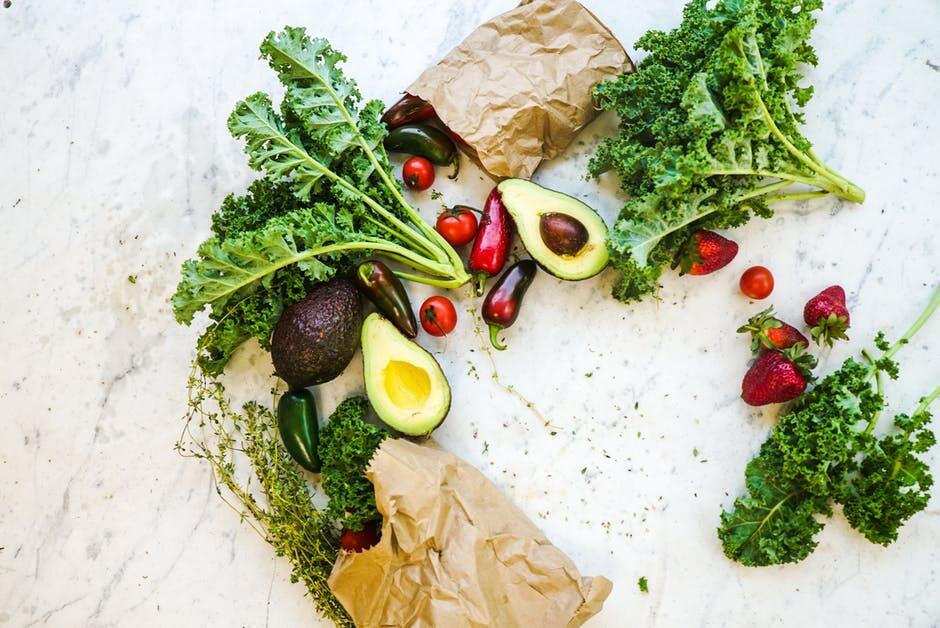
Fiber is the key to digestive wellness for seniors. High fiber vegetables include artichokes, peas, Brussels sprouts, and sweet potatoes. Vegetables are also a good source of antioxidants, vitamins, and minerals that support healthy aging.
Digestive issues are more common as we age. Around one in three seniors experiences at least occasional constipation. You don't want digestive problems to make you miss out on a stroll along one of the beautiful lakes that gave Lakeland, FL, its name.
Luckily, you can manage most gut health problems by making small changes to your diet and lifestyle. High fiber vegetables are an essential part of healthy eating for seniors.
What Is Fiber?
Senior nutrition tips usually include eating more fiber due to its role in digestion and overall health. Fiber is a nutrient found in plants. For optimal gut health, people need two types of fiber: soluble and insoluble.
Benefits of soluble fiber include:
- Slower digestion
- Lower "bad" cholesterol
- More healthy microflora in your gut
The main benefit of insoluble fiber is reducing constipation. It helps food pass through the digestive system more quickly and adds bulk to the stool.
Which Vegetable Has the Highest Fiber?
Artichokes are the vegetable with the highest amount of fiber. All vegetables have fiber as well as other nutrients, though, and are a healthy addition to your health and wellness routine.
Artichokes
Artichokes have a high fiber content per cup (9.6 grams), but very few people actually eat that much artichoke at one time. Artichokes are a good source of vitamins, minerals, and antioxidants.
Antioxidants are nutrients that research suggests protect your cells against age-related damage. One of the antioxidants in artichokes supports good liver function, which also promotes healthy digestion.
Green Peas
Green peas have 8.8 grams of fiber per cup, which includes soluble and insoluble fiber. Peas are technically legumes, like lentils and beans, but most people consider them vegetables. Peas are a good source of:
- Plant protein
- Antioxidants
- Minerals
Brussels Sprouts
Brussels sprouts have 6.4 grams of fiber per cup. They're a cruciferous vegetable like broccoli, kale, and cabbage, so they contain compounds that may help prevent some types of cancer.
Sweet Potato
Sweet potatoes have 6.3 grams of fiber per cup. They're a root vegetable rich in:
- Antioxidants
- Vitamins
- Minerals
Despite their name, sweet potatoes aren't true potatoes but are actually part of the morning glory family. You may see sweet potatoes called yams at the grocery store, but true yams are a different vegetable.
Broccoli
Broccoli has 5.2 grams of fiber per cup. It contains antioxidants that may lower the risk of certain cancers. It's also high in sulfur, which supports gut health by helping your body maintain the gut lining.
Carrots
Carrots have 4.8 grams of fiber per cup. The most common types of carrots are orange, but they can also be yellow, red, white, or purple.
All varieties of carrots are excellent sources of vitamins, minerals, and antioxidants. Carrots may lower the risk of heart disease.
Baby carrots are just as nutritious as fully grown ones. In fact, baby carrots are pieces of mature carrots that have been cut and shaved into a relatively uniform shape.
Winter Squash
Winter squash ranges from 2 to 10 grams of fiber per cup, depending on the type of squash. Common varieties include:
- Acorn squash
- Butternut squash
- Delicata squash
- Pumpkin
- Spaghetti squash
Winter squash is technically a fruit, but is usually treated like a vegetable. The seeds are edible, providing another source of fiber. Winter squash is an excellent source of:
- Antioxidants
- Beta carotene (vitamin A)
- Vitamin C
- Potassium
What Vegetable Is Best for Gut Health?
No single vegetable is best for gut health. You need a variety of vegetables to support a healthy digestive system. Some of the top vegetables for gut health include:
- Cruciferous vegetables, like broccoli, Brussels sprouts, and cauliflower
- Leafy greens, like spinach and kale
- Root vegetables, like sweet potatoes
- Artichokes
These vegetables contain fiber and nutrients that promote healthy bacteria in your gut.
What Are the Best Fiber Foods for Seniors?
Vegetables are some of the best fiber-rich foods for aging. They're high in fiber and nutrients while being low in calories. Other good high-fiber foods include:
- Fruit, like raspberries, pears, kiwi, and apples
- Legumes, like lentils, pinto beans, and black beans
- Whole grains, like brown rice, oatmeal, and whole wheat bread
- Nuts and seeds, like pumpkin seeds, almonds, and pecans
If you aren't able to get enough fiber from food, you can ask your healthcare provider about a fiber supplement. Common supplements include:
- Psyllium husk
- Methylcellulose
- Inulin
- Wheat dextrin
Each type of fiber supplement has advantages and potential issues. Your doctor can help you find the supplement that best supports your digestive wellness.
Frequently Asked Questions
How Much Fiber Do You Need Per Day?
For adults over 50, the U.S. Department of Agriculture (USDA) recommends 22 grams for women and 28 grams for men. Most people only get about half this much regularly. Add fiber to your diet gradually to avoid side effects like gas or bloating.
How to Clean Your Stomach and Intestines Naturally?
Cleansing your stomach and intestines can help relieve constipation. However, be skeptical of any product that claims to rid your body of toxins using a colon cleanse.
Natural cleaning methods include:
- Hydration
- High fiber diet
- Saltwater flush
- Juice and smoothies
- Herbal tea
- Probiotics
Talk to your doctor before doing any kind of colon cleanse to be sure the method you want to use is a good fit for your state of health.
Make High Fiber Vegetables Part of Your Routine
High fiber vegetables are a key part of good digestive health as we age. In addition to fiber, they have other essential nutrients that support total wellness.
At Azalea Park independent living community in Lakeland, FL, our chefs make eating your vegetables a highlight of each meal. The delicious menu features fresh produce and other ingredients in a variety of dishes, from homestyle classics to international cuisine.
Azalea Park also features on-site health and fitness programs to support your healthy lifestyle. We're dedicated to helping our residents develop their physical, intellectual, emotional, social, and spiritual dimensions of wellness.
Schedule a tour of Azalea Park today to see how we can help you maintain your healthy, active lifestyle in a new chapter of your life.