Emotionally Healthy Relationships: How Seniors Rebuild Trust After Loss
Seniors rebuild trust after grief or isolation by taking small emotional steps. Emotionally healthy relationships also help seniors feel safe again. Gentle care, open communication, and patience guide the healing process.
According to the Los Angeles Outpatient Center, around 72% of Americans have reported experiencing grief.
Grief recovery in senior living can take time. Emotional wounds can run deep after losing a partner, a friend, or a long chapter of life. Seniors often face new emotions during senior life transitions, and those emotions may feel confusing.
Calm environments, supportive peers, and caring interactions help many older adults in Lakeland, FL, begin to rebuild emotional confidence in aging. Connection after loss can become a healthy path to renewed joy. Read on to learn how you can heal through community.
Why Is Trust So Hard To Rebuild After Loss?
Many seniors struggle with trust because grief changes how the heart reacts to relationships. Loss can cause fear of being hurt again. Older adults may hold back from forming new bonds because memories of past pain feel strong.
Emotional confidence in aging develops slowly, especially when someone has spent years with one partner or one friend group. Seniors often need gentle reassurance. Safe conversations help rebuild a sense of comfort.
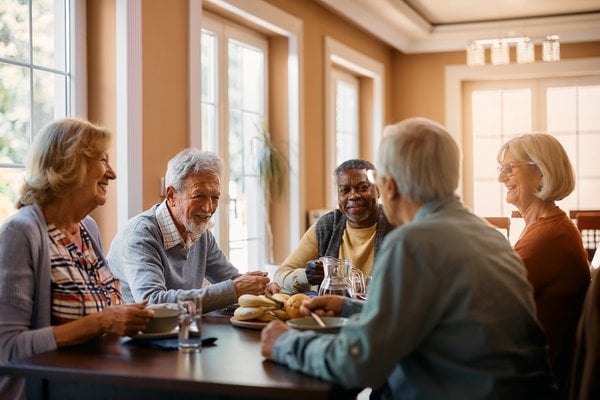
Compassion from family, caregivers, or neighbors can open doors to new relationships. Many communities encourage open discussion circles where older adults share stories. Sharing often helps reduce feelings of isolation.
Small steps matter. A kind greeting, a brief chat, or a shared activity can help someone feel connected again.
Social healing for seniors grows when people consistently show one another respect and patience. Slow interactions feel less overwhelming and help build emotional security.
How Can Seniors Strengthen Relationships During Grief Recovery?
Grief recovery in senior living often includes the following things:
- Emotional support
- Routine
- Community involvement
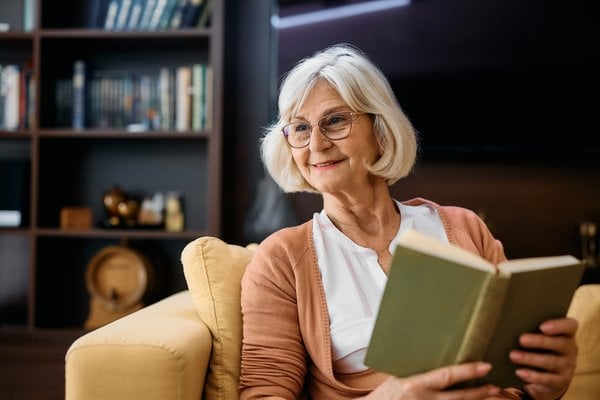
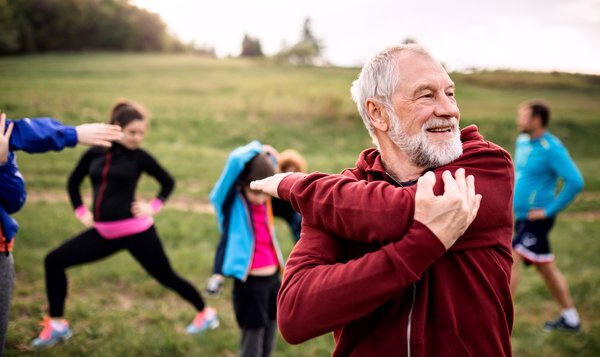
Seniors benefit from daily structure because predictability can feel soothing. Gentle exercise groups, craft gatherings, or book clubs offer low-pressure ways to socialize. Seniors can grow confidence by joining activities that match their energy and interests.
Supportive listening helps rebuild trust. Friends and caregivers who stay present create emotional safety.
Seniors may talk about memories, fears, or hopes, and those conversations build genuine bonds. When someone feels free to speak, trust grows naturally.
Connection after loss also increases through shared experiences. Seniors may enjoy doing these activities:
- Gardening together
- Walking in the morning sun
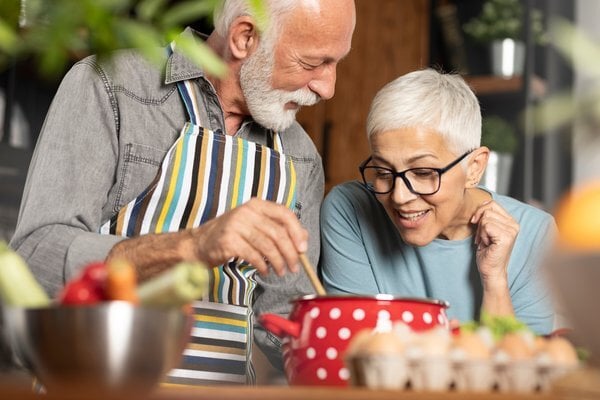
- Cooking a simple meal
Group discussions can also help people reflect on feelings that are hard to understand alone. Emotional strength often returns when people feel accepted exactly as they are.
Many seniors move through senior life transitions more smoothly when relationships feel stable. Encouragement from loved ones reduces doubts. Simple acts, like checking in regularly or keeping someone company during a quiet evening, can support emotional healing.
What Steps Help Seniors Feel Ready to Trust Again?
Small, consistent steps help rebuild emotional readiness. Seniors may begin by reconnecting with someone they already know. Familiar faces feel safe.
Speaking honestly about boundaries and comfort levels also protects emotional well-being.
Mindful practices support healing. Seniors can try the following:
- Breathe deeply
- Spend time outdoors
- Enjoy music that brings peace
Calm moments lower emotional tension. When someone feels centered, trust feels less risky.
Volunteering helps many seniors regain confidence. Helping children, supporting community events, or connecting with animal groups often brings meaning. Purpose guides the heart back to openness.
Connection after loss also grows through storytelling. Seniors often rebuild identity by sharing past chapters, hopes, and lessons.
When others truly listen, seniors rediscover strength. Trust becomes easier when people respond with kindness, understanding, and respect.
Frequently Asked Questions
How Long Does It Take To Heal Emotionally After Losing a Spouse?
Emotional healing after losing a spouse has no fixed timeline. Some seniors heal slowly, while others feel ready to open their hearts sooner.
Supportive conversations, gentle activities, and patient friends help many older adults find balance. Healing grows through steady care and meaningful connection.
How Can Seniors Tell If a New Relationship Is Healthy?
Healthy relationships feel safe and calm. Seniors should feel respected, understood, and valued. No one should feel pressured, ignored, or dismissed.
Seniors can look for honesty, compassion, and steady communication. Small steps allow trust to grow at a comfortable pace.
Why Do Seniors Feel Lonely Even When Surrounded by People?
Loneliness often comes from emotional disconnect, not from a lack of people nearby. Seniors may still grieve past relationships or struggle with senior life transitions.
Quiet emotions can stay beneath the surface even during group activities. Gentle support and genuine conversations help ease loneliness.
What Role Does Community Support Play in Grief Recovery?
Community support offers companionship and understanding. Peers who have felt similar losses can share empathy that feels comforting.
Group activities, support circles, or small chats can reduce emotional strain. Grief recovery in senior living often improves when seniors feel included.
How Can Seniors Rebuild Self-Confidence After Loss?
Seniors rebuild confidence by doing the following:
- Taking small risks
- Staying active
- Nurturing social connections
Purposeful routines help restore stability. Positive encouragement from loved ones strengthens emotional confidence in aging. Over time, those steps guide seniors toward trust and renewed hope.
Are New Friendships Common in Later Life?
Many seniors form meaningful friendships later in life. Shared hobbies and gentle conversations often lead to strong bonds. Seniors can grow friendships through these actions and events:
- Community gatherings
- Group exercises
- Volunteer efforts
Connection after loss becomes easier when people stay open to new experiences.
Everyone Deserves Emotionally Healthy Relationships
Emotionally healthy relationships help seniors rebuild trust after loss. Gentle steps, kind words, and patient support create a strong foundation for healing. Social connections remind older adults that joy and hope can grow again.
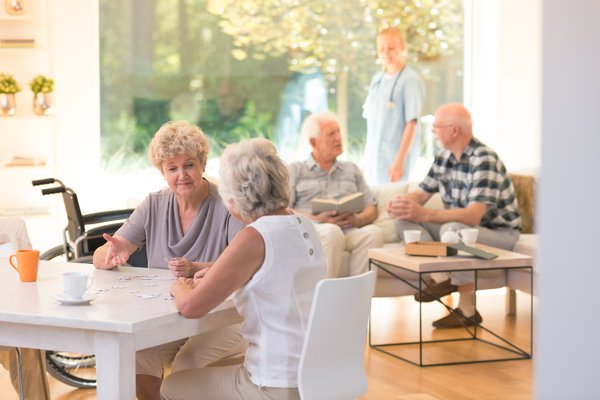
Through compassion and steady encouragement, seniors can move toward new emotional chapters with confidence. Contact Azalea Park so you can learn the reasons why you should consider moving into our Lakeland senior living community. When you live here, you can look forward to cooking club, card games, chair volleyball, happy hour, guess the phrase, and so much more each day.