
Summary
Understanding the cost of cooking vs. restaurant meals for seniors reveals that chef-prepared dining in community settings often costs less than expected when you factor in all expenses. Beyond groceries, meal preparation involves hidden costs like utilities, transportation, and significant time commitment that many overlook.
- Monthly grocery costs for seniors living alone typically range from $250–$400, but actual per-meal costs increase significantly when factoring in food waste and spoilage
- Meal preparation requires 10–15 hours weekly and includes often-overlooked expenses: utilities, appliance replacement, pantry staples, and transportation costs
- Senior living dining programs ($350–$600 monthly) cover professionally prepared meals, service, elimination of food waste, and predictable budgeting
- When combined with groceries, dining out, and time investment, total food expenses often exceed what structured community dining programs offer
- Community dining provides social connection, nutritional variety, and convenience that home cooking frequently cannot match
When comparing the cost of cooking vs. restaurant meals for seniors, it helps to look beyond the surface. Ingredient prices are only one part of the equation. For many older adults, the full cost of meal preparation includes time, effort, and ongoing household expenses that can quietly add up.
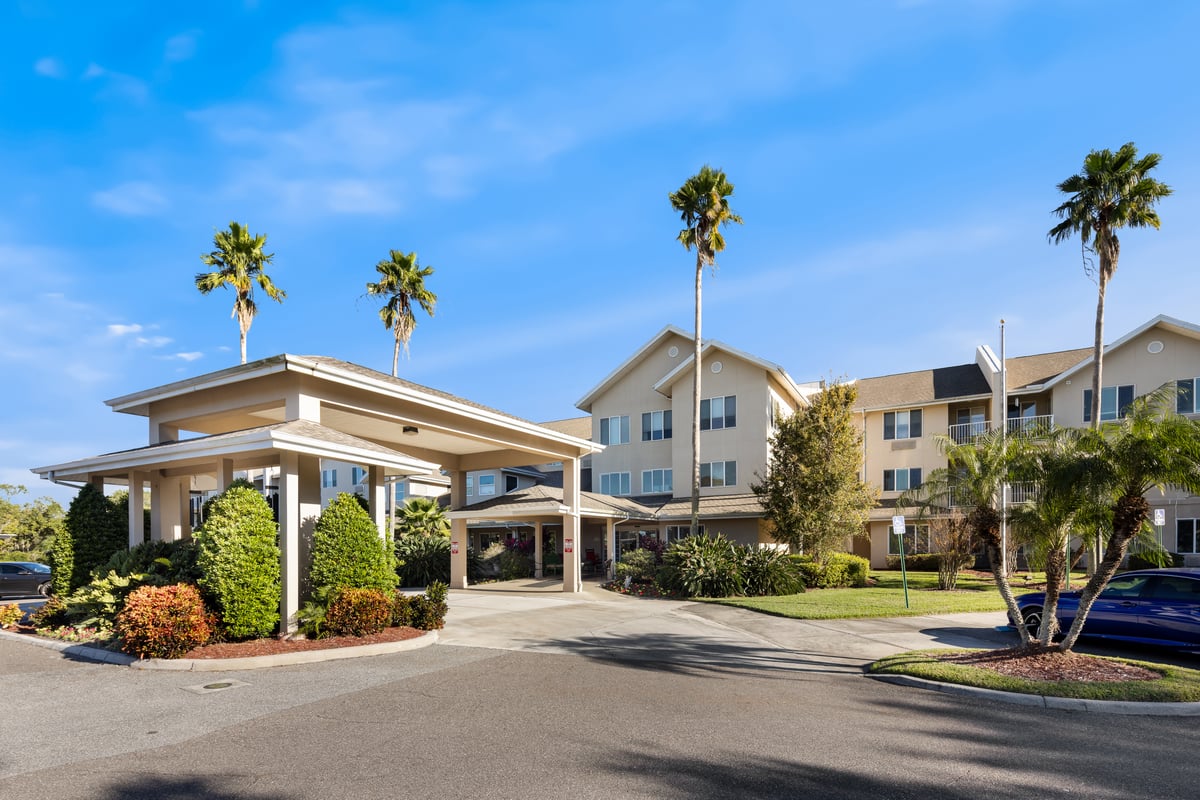
At Azalea Park in Lakeland, FL, residents enjoy Independent Living with supportive services designed to simplify daily routines. With welcoming dining spaces, chef-prepared meals, and a maintenance-free lifestyle, it becomes easier to focus on what matters most instead of managing the kitchen.
Understanding the full picture can help you evaluate whether cooking at home or enjoying a community dining program better supports your lifestyle and budget.
Breaking Down Grocery Costs for Older Adults Living Alone
Managing grocery costs for older adults living alone presents unique challenges. Most items are packaged for multiple servings, which can lead to unnecessary waste.
It is common for fresh foods like produce, bread, and dairy to spoil before they are fully used. While monthly grocery bills may range from $250 to $400, that number often does not reflect the food that goes uneaten. When factoring in waste, the actual cost per meal increases significantly.
Additional expenses can include:
- Frequent trips to the store for smaller quantities
- Delivery fees or transportation costs
- The need to restock pantry staples regularly
These factors make it more difficult to maintain a predictable food budget for independent living.
Hidden Meal Preparation Expenses for Older Adults
Beyond groceries, meal preparation for seniors involves several ongoing costs that are easy to overlook. Some of the most common include:
- Energy use from daily cooking and refrigeration
- Replacement of cookware and small appliances
- Ongoing purchases of spices, oils, and condiments
- General kitchen upkeep and maintenance
Time is another important consideration. Planning meals, shopping, cooking, and cleaning can take up to 10 to 15 hours each week. Over time, this routine can feel repetitive or physically demanding.
Preparing a variety of meals also requires maintaining a well-stocked kitchen and learning new recipes. Many older adults find themselves rotating through the same dishes, which can limit both enjoyment and nutrition.
Understanding Dining Program Value in Senior Living Communities
At Azalea Park, dining is designed to remove the stress of daily meal preparation while enhancing everyday life. Residents enjoy chef-prepared meals served in a welcoming, restaurant-style setting, with thoughtfully planned menus that offer both variety and consistency.
The dining program value in senior living goes beyond convenience. It supports a more predictable routine and a more enjoyable dining experience. Key benefits often include:
- Freshly prepared meals without shopping or cleanup
- Balanced menus created by experienced culinary professionals
- Portion sizes that help reduce food waste
- Flexible options that accommodate preferences
Dining also brings a social element that is often missing when cooking at home. Shared meals provide natural opportunities to connect with neighbors and enjoy conversation in a relaxed environment.
The True Chef Prepared Meals Cost Comparison
When comparing the cost of cooking vs. restaurant meals for seniors in community living, the numbers are often closer than expected.
A typical dining program may range from $350 to $600 per month, depending on meal frequency and community offerings. While that may seem higher at first glance, it includes far more than just food. This cost typically covers:
- Professionally prepared meals each day
- Dining room service and kitchen operations
- Elimination of grocery shopping and food waste
- Consistent monthly budgeting without surprise expenses
When compared to the combined cost of groceries, utilities, transportation, and time spent cooking, many people find the difference is smaller than anticipated. For some, the added convenience and consistency make dining programs a practical choice.
Evaluating Your Personal Food Budget for Independent Living
Every situation is different, so it is helpful to take a closer look at your current habits. Track your monthly expenses for groceries, dining out, and related costs to get a clearer picture of your food budget for Independent Living.
Many older adults supplement home cooking with restaurant meals, which can add an extra $200 to $400 per month. When combined with grocery costs and time investment, the total can be higher than expected.
It is also worth considering how much time and energy you want to dedicate to cooking each week. For those looking to simplify their routine, a structured dining program can offer both consistency and flexibility.
At Azalea Park, Independent Living with supportive services offers a lifestyle focused on choice, convenience, and connection. Residents can enjoy the benefits of community dining while maintaining the freedom to shape their day-to-day routines.
Explore Dining Options
The best way to understand the true value of a dining program is to experience it firsthand. Schedule a tour at Azalea Park and plan your visit during a mealtime to see how chef-prepared dining fits into daily life.
Enjoy the atmosphere, sample the cuisine, and connect with residents to get a real sense of how community dining can simplify your routine while enhancing your day.
A choice of third-party providers is available onsite for convenience, but residents are under no obligation to use any particular one.